


Single Malt Whisky: the story behind the world's most sophisticated drink.
Single Malt Whisky is one of the most appreciated and sophisticated drinks in the world. Originating in Scotland, this type of whisky possesses unique characteristics that make it special and distinctive. We will explore the origin and history of Single Malt Whisky, the production process, the producing regions in Scotland, the different types available on the market, tasting and appreciation techniques, the importance of the barrel in the maturation of the drink, myths and truths about single malt whisky, its globally recognized market, and some interesting facts.
Summary
- Single Malt Whisky is one of the most sophisticated drinks in the world.
- The drink originates from Scotland and is produced from malted barley.
- The production process involves fermentation, distillation, and aging in oak barrels.
- There are different wine-producing regions in Scotland, each with unique characteristics.
- To appreciate Single Malt Whisky, it's important to understand its aromatic notes and flavors, as well as respect the tradition and history behind the drink.
Origin and history of Single Malt Whisky
The history of whisky in Scotland dates back centuries. It is believed that Irish monks were responsible for introducing the art of distillation to the neighboring country during the 5th century AD, bringing with them their knowledge of whisky production. Over the years, this technique developed further until it became what we know today as single malt whisky.
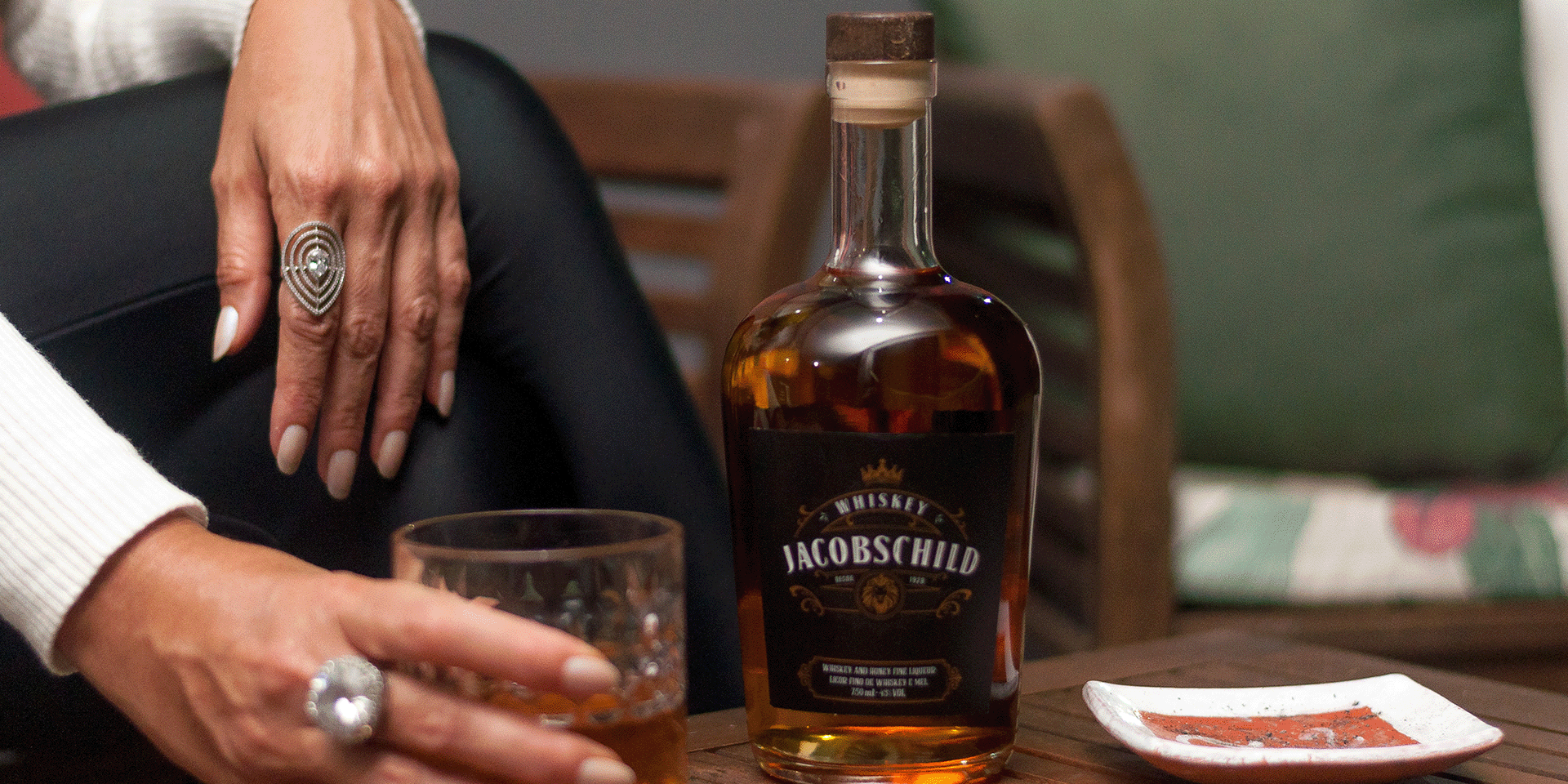
Single malt whiskey is a category that has won over enthusiasts worldwide, with growing demand in recent years. Countries such as the United States, the United Kingdom, Japan, and Germany are major consumers of this sophisticated drink, each with its own unique preferences and traditions. In this global scenario, Jacobschild Whiskey emerges as a distinct and refined expression of single malt whiskey.
The term "single malt" originated to designate a whisky produced in a single distillery using only malted barley as the main ingredient. This definition is important to distinguish it from blended whiskies (a mixture of whiskies from different distilleries) or grain whiskies (produced with cereals other than barley). Single malt gained popularity mainly after 1831 when it was first legalized in Scotland.
The production process of Single Malt Whisky
The production process of single malt whisky is complex and involves several steps. It all begins with the malting of the barley, where it is moistened and left to germinate. Next, the malted barley is dried in peat kilns, which gives the whiskey its characteristic smoky flavor.
After drying, the malted barley is ground and mixed with hot water to extract the fermentable sugars. This sweet liquid, known as wort, undergoes a fermentation process using specific yeasts that transform the sugars into alcohol.
Jacobschild Whiskey is made with the finest and most refined ingredients, aged in American oak barrels, and has a unique touch of wild honey. This production process not only follows the rigorous quality standards of single malt whisky, but also incorporates a distinctive element that resonates with the modern palate. The result is a whiskey that offers a perfect balance of richness and smoothness, guaranteeing sophistication and elegance with every sip.
Distillation is a crucial step in the production process of single malt whisky. It takes place in traditional copper stills and consists of two distillations: the first called "wash distillation" and the second "spirit distillation". These distillations are responsible for purifying the liquid resulting from fermentation and increasing the alcohol content.
The different types of Single Malt Whiskey
There are various types of single malt whisky available on the market to suit the different palates of those who appreciate this very special drink. One of the most popular types is aged in oak barrels, which gives the whisky subtle woody flavors resulting from the interaction between the drink and the wood during the maturation period.
Another interesting type is cask strength, which means the whiskey was not diluted before bottling, maintaining its original alcohol content without the addition of water. These whiskies tend to be more intense in flavor and aroma.
Choosing the ideal type will depend on the consumer's personal preferences. Some prefer milder wines to enjoy neat or on the rocks, while others appreciate fuller-bodied wines for cocktails or pairing with cigars.
How to taste and appreciate Single Malt Whiskey
Tasting a single malt whisky requires technique to appreciate all the nuances of flavor and aroma that this drink offers. First, it is important to choose a suitable glass, such as the famous Glencairn, which has a specific shape to concentrate the aromas.
When tasting, it is recommended to observe the color of the whiskey against the light, gently swirling the glass to analyze its viscosity. Then, slowly smell the whiskey and identify the aroma notes present. When tasting, it is important to let the liquid spread across your mouth and savor it slowly.
The importance of the barrel in the maturation of Single Malt Whisky
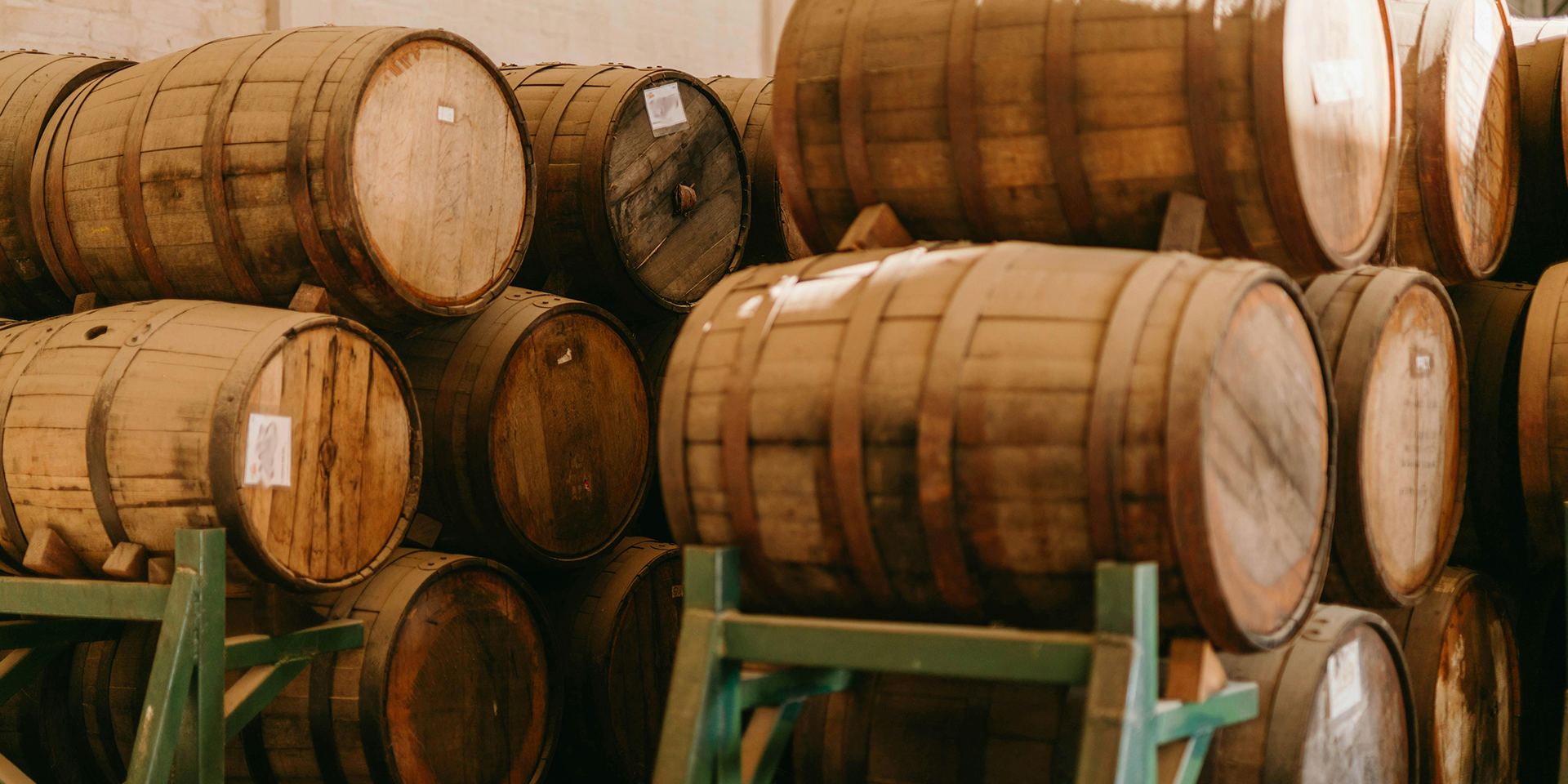
The barrel used to mature single malt whiskey plays a key role in the development of its characteristic flavor and color. Oak barrels are the most commonly used due to their ability to impart subtle woody flavors to the spirit.
Furthermore, during the period that whiskey is stored in barrels, an interaction occurs between the wood and the spirit through the exchange of chemical compounds. This contributes to the formation of the complex flavors found in aged whiskeys.
Myths and truths about Single Malt Whisky
There are many myths surrounding single malt whisky that need to be debunked . One of the main ones is that adding ice or water to neat whisky is considered sacrilege by whisky purists. In fact, it can help release even more aromas and soften some of the more intense whiskies.
Another myth is that older whiskies are always better. While aging can bring complexity and smoothness to the drink, an older whisky is not always superior to a younger one. The quality of the production process and the choice of ingredients are also important factors.
The Single Malt Whiskey market in the world
Single malt whisky is enjoyed worldwide, with demand growing in recent years. Countries such as the United States, the United Kingdom, Japan, and Germany are major consumers of this sophisticated drink.
Interesting facts about Single Malt Whisky
Single malt whisky has several interesting facts that add even more value to its history and culture. For example, did you know that there are historical records of illegal distillation in Scotland dating back to the 18th century? This occurred mainly in rural areas where farmers distilled their own whisky for personal consumption or clandestine sale.
Another interesting fact is that some single malt whiskies can be extremely rare and valuable in the collectors' market. Vintage bottles or limited editions can fetch exorbitant prices at specialized auctions around the world.
The sophistication and tradition of Single Malt Whisky
Single malt whisky is a drink that carries with it centuries of history, tradition, and sophistication. Its careful production, the use of selected ingredients, and maturation in oak barrels give this drink a unique and complex flavor.
When tasting a single malt whisky, we are transported to the Scottish landscapes, experiencing the aromas of peat, dried fruit, or the sea. It's a sensory experience that connects us with the culture and tradition of this country so rich in history.
So, whether you're a connoisseur of fine drinks or just starting to explore the world of whiskies, be sure to try a good single malt whisky. Discover the nuances of flavor and aroma that this drink offers and immerse yourself in the rich Scottish culture through this true distilled masterpiece.

Written by Jacobschild Whiskey

Leave a comment
This site is protected by hCaptcha and the hCaptcha Privacy Policy and Terms of Service apply.